THE KOREA REGENERATIVE MEDICINE GUIDE
00 / SOUTH KOREA · A NEW PERSPECTIVE ON REGENERATIVE CARE
A new perspective on your next chapter. Considered care. In Korea.
Discover Korea’s regenerative care landscape through beautiful spaces, the people behind the practice, and clear guidance tailored to the questions that matter to you.
“Knowledge before possibility. Start with your diagnosis or goal, understand the exact procedure being proposed, and build a conversation with the right medical team.”

01 / THE CELLARIUM PERSPECTIVE & EVIDENCE FRAMEWORK
Extraordinary possibilities. A thoughtful place to begin.
Regenerative medicine is not one treatment. A hospital stem cell transplant, an orthopedic procedure, and an aesthetic cell-based service can involve very different cells, evidence, risks, and recovery. Cellarium brings those differences into focus. Start with your diagnosis or goal, understand the exact procedure being proposed, and build a conversation with the right medical team.
02 / Explore care with intention
Your first step is understanding which kind of care you are considering:
- Transplant medicine: Understand blood-forming stem cell transplantation, donor matching, conditioning, and specialist hospital care.
- Orthopedic care: Explore joint and cartilage questions, different cell preparations, rehabilitation, and how to assess the evidence.
- Aesthetic & wellness care: Distinguish cosmetic techniques from broader health claims, and examine what a proposed procedure actually involves.
03 / Know what the evidence means — Not every possibility is proven care
A precise treatment name matters more than the phrase “stem cells.” Look at the product, condition, delivery route, and evidence together:
- Established in defined settings: Blood-forming stem cell transplantation has established uses for selected blood, immune, and marrow disorders. Eligibility remains highly individual.
- Specific products. Specific indications: Authorization of a particular product does not establish that every cell-based intervention is suitable or effective. Ask for the exact Korean regulatory status.
- Investigational & emerging uses: Many advertised applications remain uncertain. A clinic offer, testimonial, or trial listing alone does not demonstrate clinical benefit.
What would you like to understand better?
- Skin quality & aesthetic care: Explore skin concerns, fat grafting, and the differences between cells, PRP, and exosome-based services.
- Movement & joint health: Understand the diagnosis behind joint pain, compare proposed techniques, and consider rehabilitation alongside treatment.
- Healthy aging & wellness questions: Look closely at longevity claims, meaningful outcomes, and how to discuss your existing health needs with a physician.
- Blood & immune conditions: Navigate hospital-based transplantation, specialist assessment, donor considerations, and longer-term care.

GANGNAM · SEOUL — Inside Cellinique
An appointment-based aesthetic and regenerative clinic combining skin procedures, fat grafting, and cell-related treatment programs.
View Cellinique Profile →
A CLOSER LOOK — SC301 Clinic
A clinic with a concentrated focus on fat-derived cell processing, fat grafting, and breast aesthetic procedures.
View SC301 Profile →04 / THE CLINIC COLLECTION
Care begins with the right questions.
Explore providers offering cell-based services in Korea. Understand their clinical focus, available services, and the questions to take into a consultation.
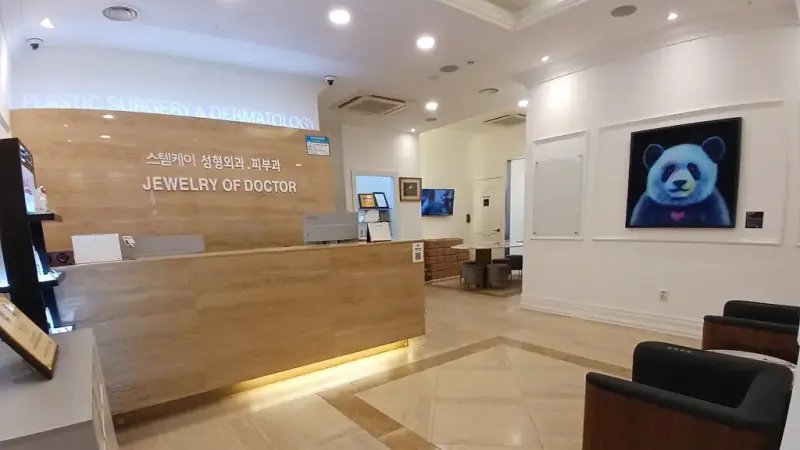
Sinsa, Seoul
Stemk Plastic Surgery & Dermatology
A plastic surgery and aesthetic clinic integrating conventional procedures with regenerative medicine offerings under Changkon Kwak.
Explore Clinic Profile →
Hannam, Seoul
Nucellin Orthopedic Clinic
A single-physician orthopedic clinic in Hannam offering non-surgical musculoskeletal assessment, rehabilitation and regenerative treatment options.
Explore Clinic Profile →Gangnam, Seoul
Cellinique Clinic
An appointment-based aesthetic and regenerative clinic led by Chris Gunwoo Kim, combining skin procedures, fat grafting and cell-related treatment programs.
Explore Clinic Profile →Hospital · transplantation
Samsung Medical Center
A Seoul hospital with a multidisciplinary Hematologic Malignancy Center, a hematopoietic stem cell transplant program, and dedicated post-transplant outpatient support.
Explore Clinic Profile →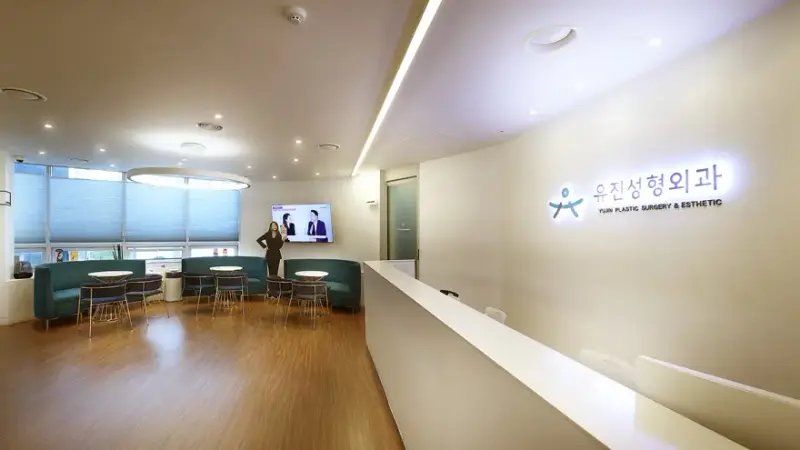
Seoul
Yujin Plastic Surgery & Stem Cell Research Center
A plastic surgery practice with a published focus on fat transfer, liposuction, breast procedures and stem cell-related aesthetic services.
Explore Clinic Profile →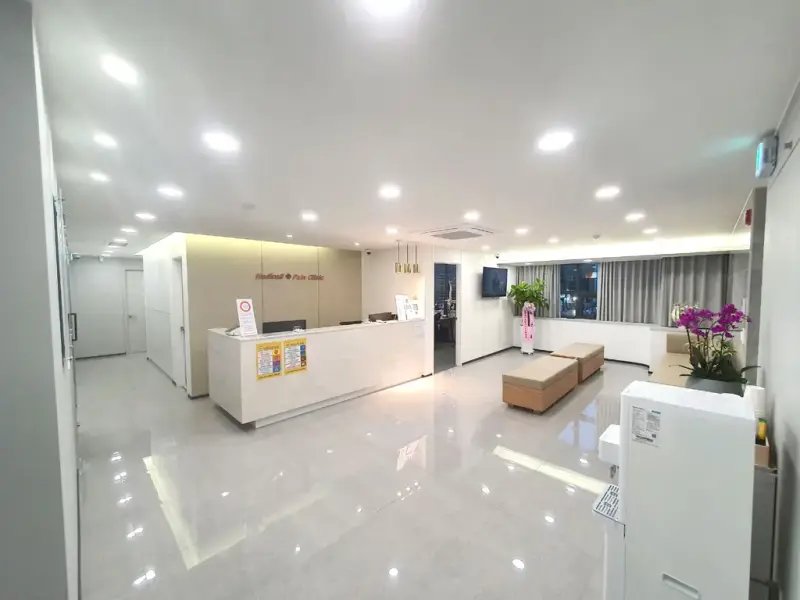
Seoul
Medicell Plus Clinic
A multidisciplinary clinic presenting pain medicine, regenerative treatments and dermatology services with a three-physician team.
Explore Clinic Profile →Gangnam, Seoul
SC301 Clinic
A clinic with a concentrated focus on fat-derived cell processing, fat grafting and breast aesthetic procedures.
Explore Clinic Profile →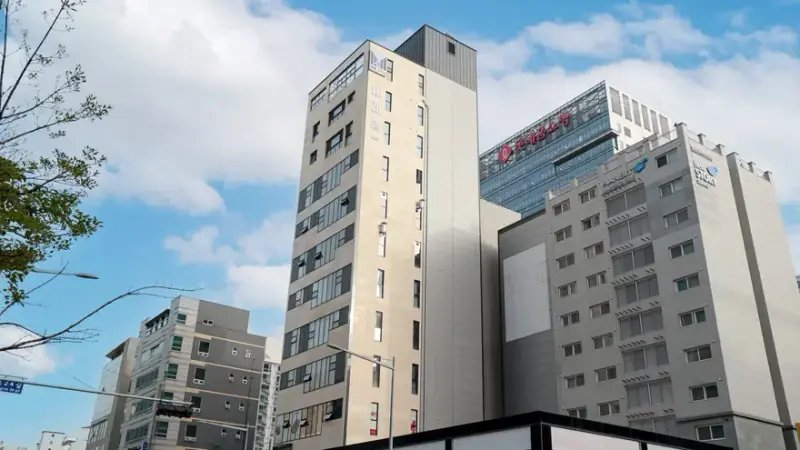
Yeongdeungpo, Seoul
MiraeCell Clinic
A regenerative medicine clinic whose published service areas include autologous cell treatment, chronic disease assessment and age-related health concerns.
Explore Clinic Profile →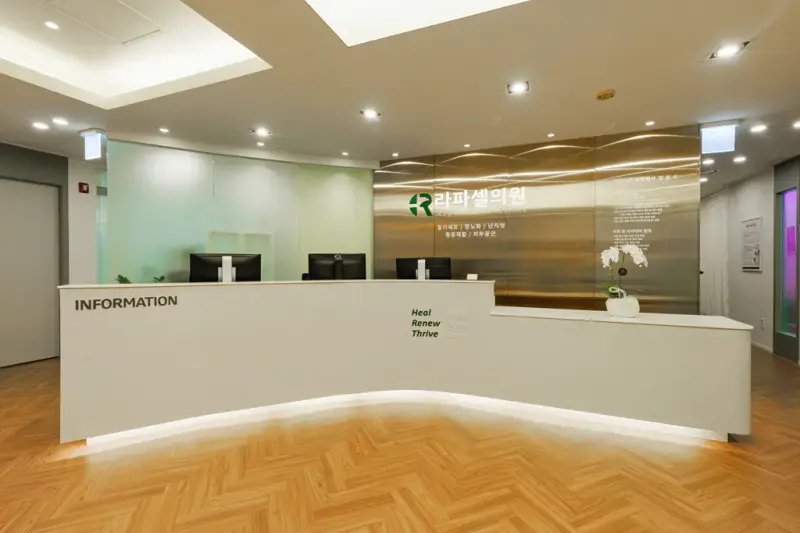
Apgujeong, Seoul
Rapha Cell Clinic
A physician-led clinic presenting regenerative and anti-aging programs alongside internal medicine and pain rehabilitation services.
Explore Clinic Profile →Hospital · transplantation
Seoul St. Mary’s Hospital
A university hospital with a dedicated hematology service for blood cancers, marrow disorders, and hematopoietic stem cell transplantation, supported by international patient services.
Explore Clinic Profile →05 / THE PATIENT JOURNAL
Read a little deeper.
Begin with what matters to you. Explore foundational stem cell science, clinical evidence, procedural safety, and practical preparation across 147 patient guides.
Conditions & evidence
Transverse myelitis and regenerative research
Understanding inflammation, recovery and the limits of cell-based claims.
Read Guide →Travel
Travelling with a caregiver
Agree on practical support responsibilities before the trip begins.
Read Guide →Safety
Anesthesia and sedation before regenerative procedures
The anesthesia plan is a separate part of the treatment decision.
Read Guide →Safety
Joint injections: procedural safety questions
A joint injection and a claim of cartilage regeneration require separate evaluation.
Read Guide →Conditions & evidence
Severe combined immunodeficiency and transplant
Why suspected SCID needs a specialist pediatric immune service urgently.
Read Guide →Foundations
Autologous and allogeneic cells
The donor relationship changes important questions, but does not determine benefit on its own.
Read Guide →Clinical trials
Inclusion and exclusion criteria in cell therapy trials
Eligibility rules protect participants and define the population to which results may apply.
Read Guide →Recovery
Reporting a suspected adverse event
Document a problem carefully while prioritizing medical care.
Read Guide →Conditions & evidence
Retinal disease and the difference between research and treatment
How to judge claims about restoring sight with cells.
Read Guide →Conditions & evidence
ALS and stem cell treatment claims
Evaluating research while preserving respiratory, nutritional and neurological care.
Read Guide →Consultation
Getting an independent second opinion
Use a separate specialist review to test whether the proposed intervention fits your diagnosis.
Read Guide →Recovery
Returning to work after treatment
Match work plans to the actual procedure and your recovery demands.
Read Guide →Safety
Adverse-event reporting and your treatment record
Accurate records help clinicians respond when a problem occurs and help trace a product if necessary.
Read Guide →Costs
Insurance questions before overseas treatment
Ask your insurer about the proposed procedure and complications in writing.
Read Guide →Safety
When an intervention fails to help
Lack of benefit deserves a planned response, not an automatic offer of another course.
Read Guide →Safety
Infection and cell-based procedures
Contamination can occur before a product reaches the treatment room, as well as during a procedure.
Read Guide →Foundations
Induced pluripotent stem cells: what iPSC means
Reprogrammed cells are powerful research tools, but each clinical application requires its own evidence.
Read Guide →Clinical trials
Phase 1, phase 2, and phase 3 studies
The phase of a study tells you its main questions, not that benefit is guaranteed.
Read Guide →Consultation
Reading a stem cell consent form
Use the consent document to understand the exact intervention and its uncertainty.
Read Guide →Research literacy
Organoids and laboratory tissue models
A miniature laboratory model can advance science without being a transplantable organ.
Read Guide →07 / PEOPLE BEHIND THE CARE
Meet the specialists.
The most important connection is with the person responsible for your care. Look beyond a treatment name to explore doctors’ published backgrounds and roles.
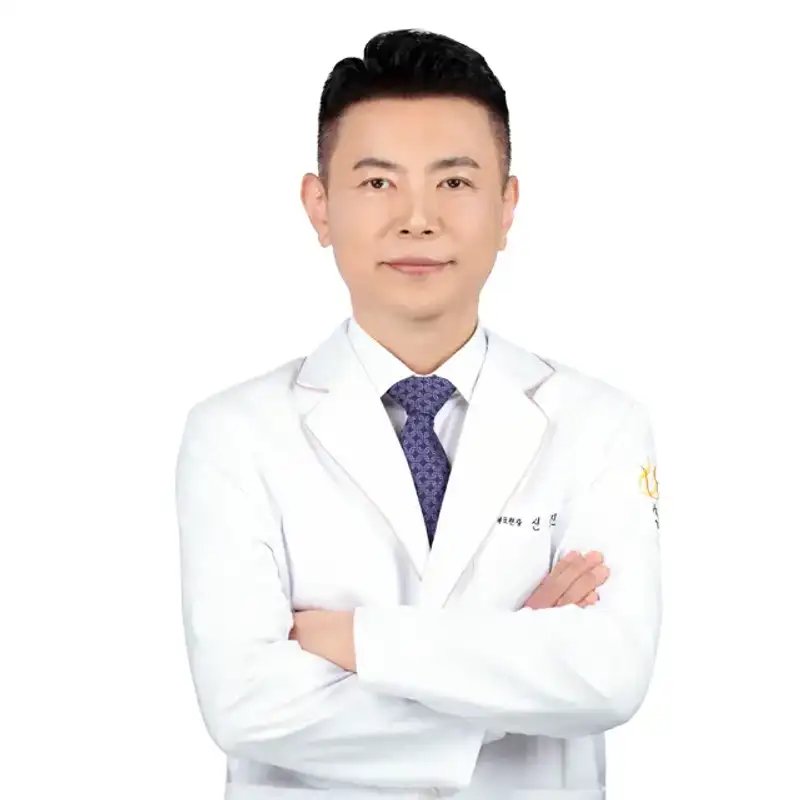
Plastic Surgery & Fat-Derived Cell Procedures (Representative Director)
Dong-jin Shin
SC301 identifies Dong-jin Shin as representative director. His official biography lists training at Yonsei University Severance Hospital, a previous directorship at Apgujeong Tiara Plastic Surgery Clinic and a founding president role in the Korean Stem Cell Plastic Surgery Society.
Read Biography →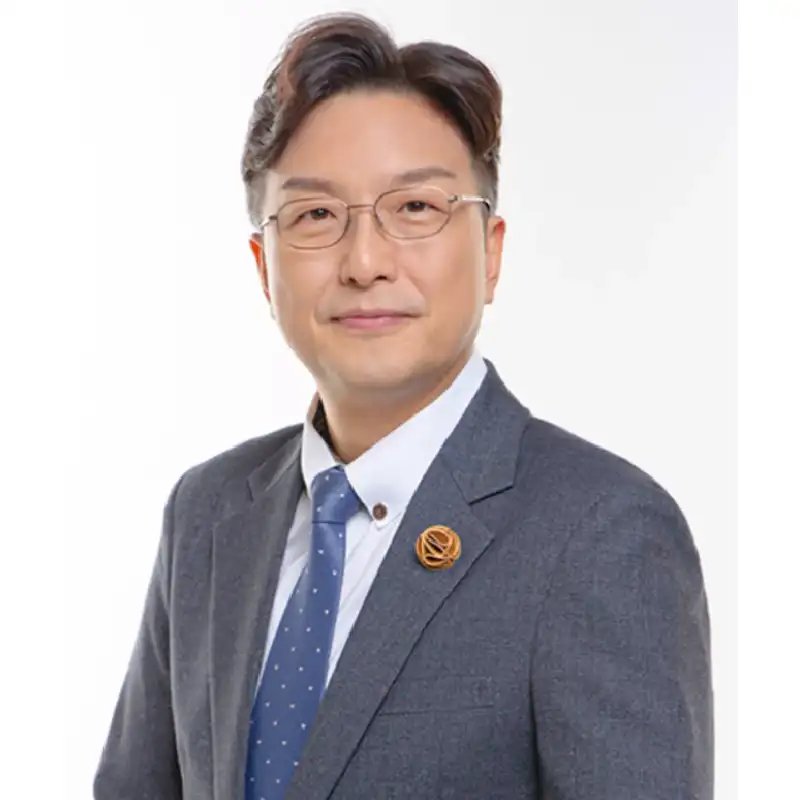
Internal Medicine (Representative Physician)
Eungsuk Kim
Rapha Cell identifies Eungsuk Kim, also rendered Eung-Seok Kim, as its representative physician. The Korean medical team page identifies internal medicine as his specialty and lists a doctorate in medicine and previous teaching roles associated with Yonsei and Korea University medical schools.
Read Biography →
Anesthesiology & Pain Medicine (Vice Director)
Han Jin-woo
Medicell Plus lists Han Jin-woo as a vice director. Its published team description identifies anesthesiology and pain medicine as his field, with interests in interventional pain treatment, nerve blocks and musculoskeletal pain.
Read Biography →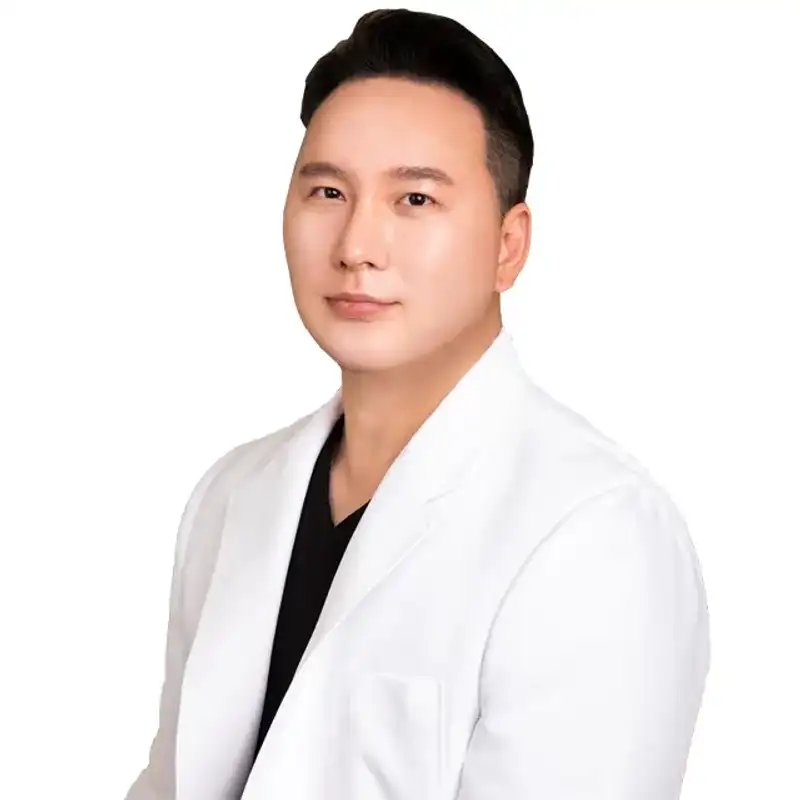
Aesthetic & Regenerative Medicine (Chief Director)
Chris Gunwoo Kim
Chris Gunwoo Kim is identified as Cellinique’s chief director. His official biography lists an M.D. from Kyungpook National University and a previous leadership role at Cheongdam Le Diamant Clinic.
Read Biography →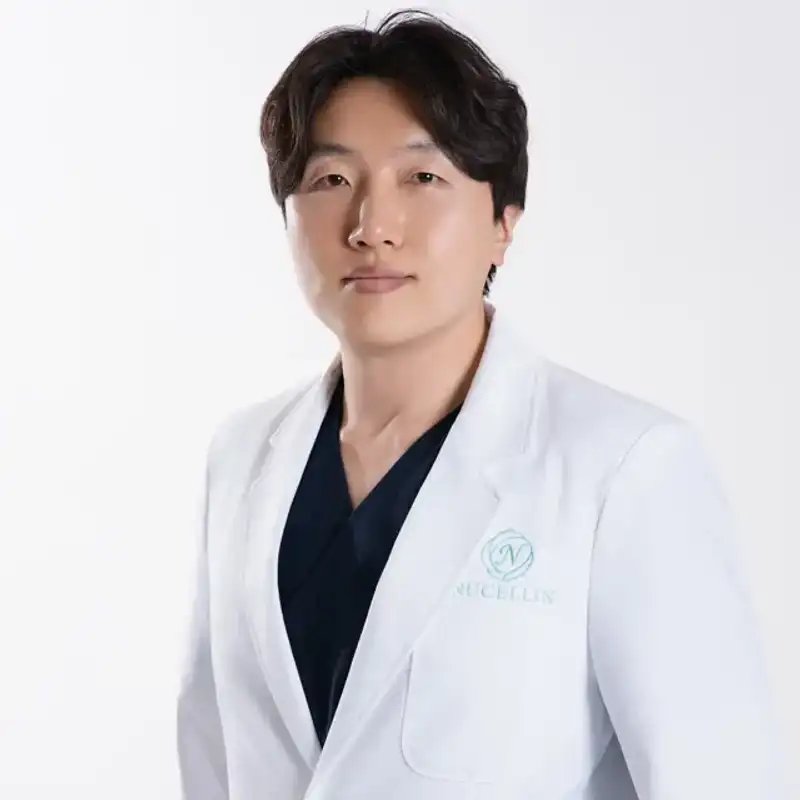
Nucellin Orthopedic Clinic
Hee-jun Kim
Nucellin identifies Hee-jun Kim as its chief director and orthopedic specialist. Its Korean and English biographies list Yonsei University College of Medicine, orthopedic residency at Severance Hospital and a former clinical professor role in joint replacement.
Read Biography →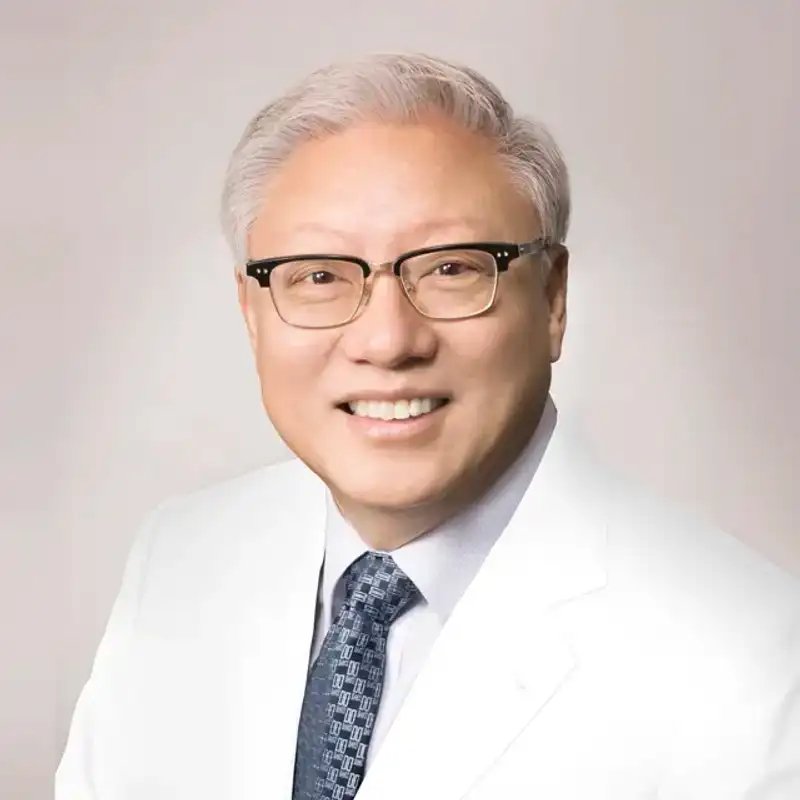
Medicell Plus Clinic
Han Tae-hyung
Medicell Plus identifies Han Tae-hyung as chief director and describes a background in pain management and regenerative medicine. Its biography lists training associated with Texas Tech University and Iowa State University. The clinic’s team page places him within its stem cell therapy services.
Read Biography →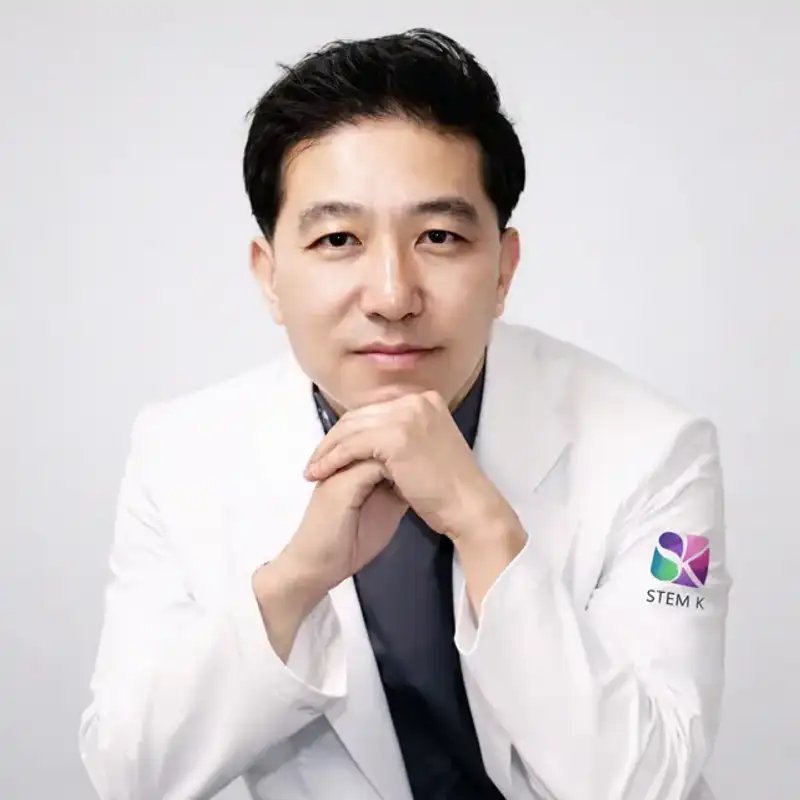
Board-Certified Plastic Surgery & Stem Cell Research
Changkon Kwak
Stemk’s official biography identifies Changkon Kwak as a Korean board-certified plastic surgeon and graduate of Kyung Hee University College of Medicine.
Read Biography →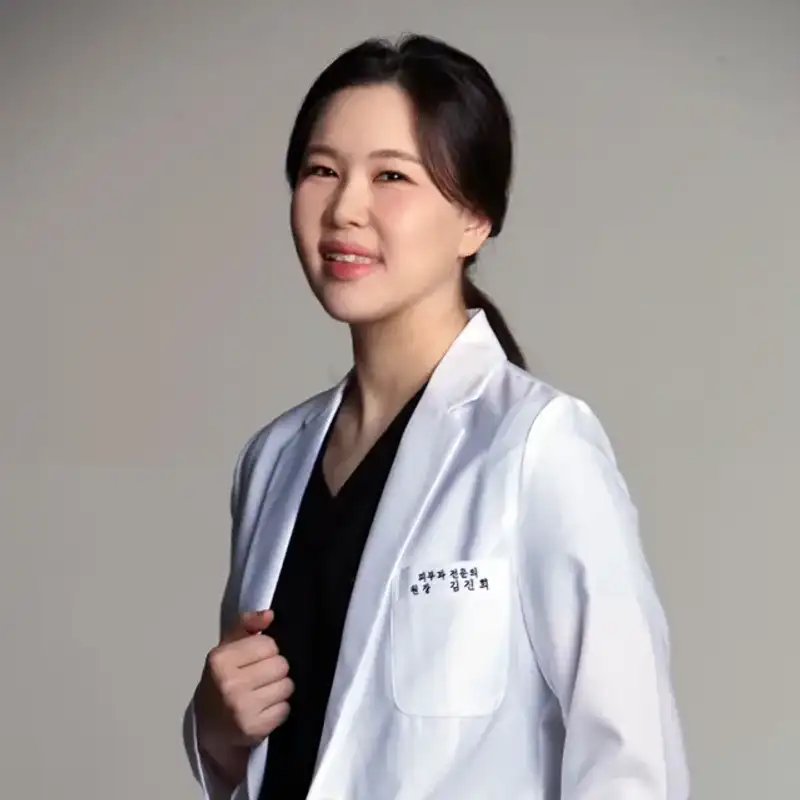
Dermatology & Anti-Aging (Vice Director)
Kim Jin-hee
Medicell Plus identifies Kim Jin-hee as a dermatologist and vice director. Its official description lists cosmetic dermatology, anti-aging skincare and hair loss among her clinical interests.
Read Biography →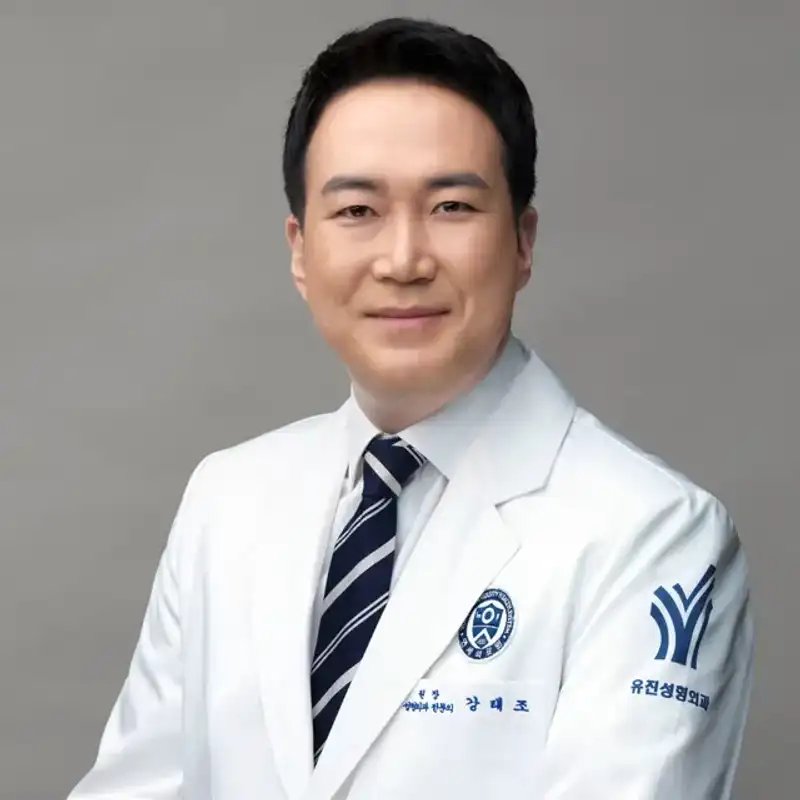
Plastic & Reconstructive Surgery (Chief Director)
Tae-jo Kang
Yujin identifies Tae-jo Kang as chief director and a plastic surgeon. His official biography lists a visiting professor role at Yonsei University College of Medicine and training at UPMC in the United States and Berlin University College of Medicine.
Read Biography →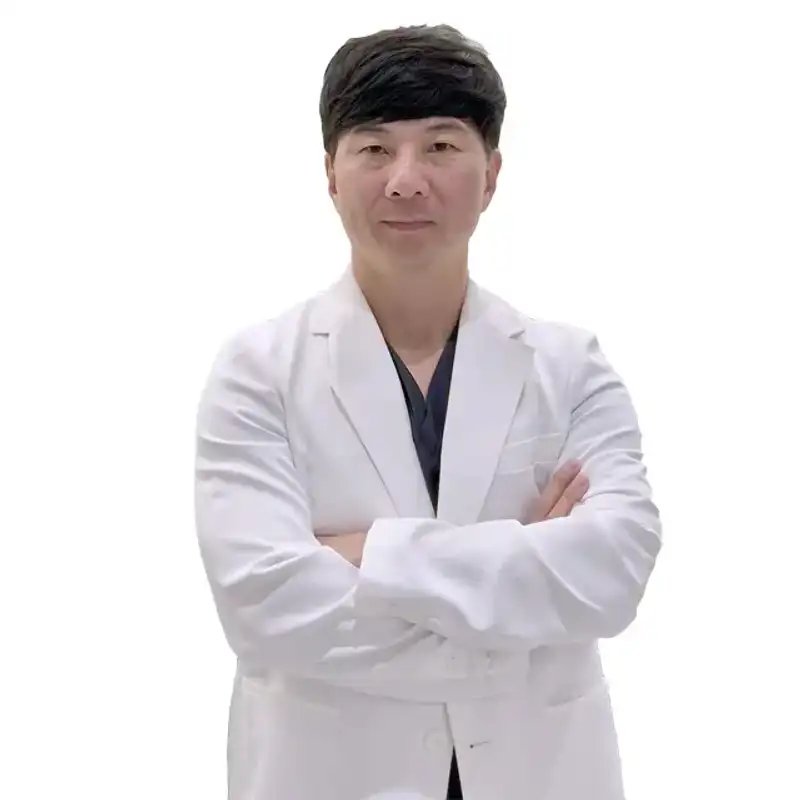
Emergency Medicine & Representative Director
Chang Yong-Jun
MiraeCell identifies Chang Yong-Jun, also rendered Yongjun Jang, as its representative director. The clinic describes emergency medicine training at Soonchunhyang University Hospital after medical school at Soonchunhyang University.
Read Biography →06 / A CONSIDERED JOURNEY & 08 / BEFORE YOU DECIDE
From curiosity to a clear plan.
01 · Understand — Start with your goal
Clarify the diagnosis, symptoms, or cosmetic concern. Identify standard options and what remains uncertain.
02 · Compare — Look beyond the label
Compare the clinic’s focus, the doctor’s role, the exact cell preparation, and the proposed route of administration.
03 · Prepare — Make the consultation count
Bring your records, medication list, and written questions. Request an itemized plan before arranging travel.
04 · Continue — Plan care beyond Korea
Agree on recovery requirements, urgent contacts, medical records, and how your local clinician will be involved.
Make room for yourself — Korea, with a considered plan
- A conversation worth preparing for: Share the records the clinic requests through its secure channel. Clarify who will review them, what the first appointment includes, and whether a treatment decision can wait until after assessment.
- Time to understand your options: Ask for an explanation in a language you understand. Discuss the expected benefit, uncertainties, alternatives, recovery, and the complete quotation with the treating team.
- Care that has a next step: Agree on a written follow-up plan, emergency contacts, medical records, and travel clearance. Include your home-country clinician in the conversation when appropriate.
08 / Before you decide — Your first questions, answered
Is stem cell treatment always surgery?
No. The term covers very different interventions. Some involve an infusion or injection; others involve tissue collection or surgery. Blood-forming stem cell transplantation has its own intensive preparation and recovery. Ask for the exact procedure, not just a category name.
How do I know whether a treatment is established?
Ask what evidence supports the exact cell product for your diagnosis, how it is administered, and under which regulatory pathway it is offered. Separate published clinical outcomes from marketing claims. An independent specialist can help interpret the evidence.
Can international patients contact clinics directly?
Yes. Where an international website is available, the clinic profile links to it. Ask the clinic about language support, records review, eligibility, costs, and follow-up before booking a trip.
What will treatment cost?
There is no single meaningful price for “stem cell treatment.” The intervention, testing, cell preparation, anesthesia, number of visits, and follow-up all change the total. Request a written itemized quote that includes complication care and cancellation terms.
Can I fly home immediately after treatment?
The appropriate timing depends on the procedure and your health. Do not treat a clinic visit as proof of fitness to fly. Ask your treating team for a specific plan, including any monitoring period, mobility restrictions, and signs that require urgent assessment.
CELLARIUM
Knowledge before possibility.
Cellarium is an independent editorial guide to regenerative medicine and stem cell consultations in South Korea. It does not provide medical advice, diagnosis, or treatment, and is not affiliated with any clinic or hospital.
© 2026 Cellarium — The Korea Regenerative Medicine Guide. Educational reference only; always consult a qualified specialist.